Translate seating conditions into a material request
Upholstery fabric suppliers for your application brief
The same fabric description can conceal different expectations for use, cleaning, shade consistency and cutting yield. Prepare a use-specific RFQ before comparing proposed suppliers.
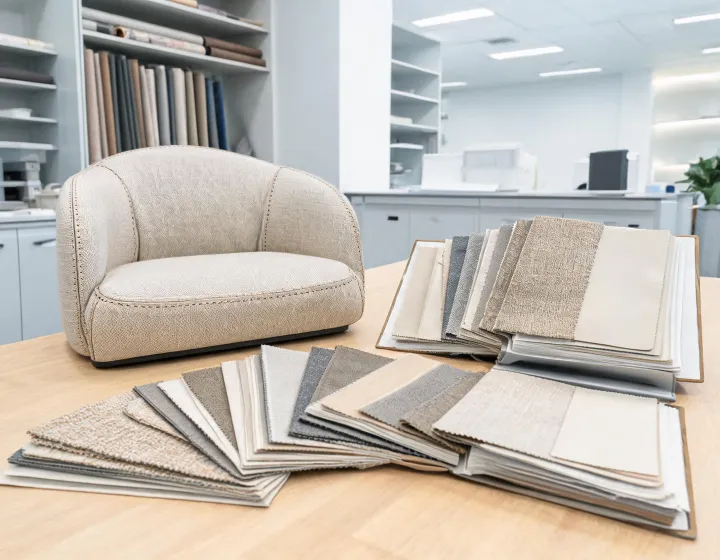
Build acceptance around the finished seat
| Procurement setting | Questions for the proposed article | Approval record |
|---|---|---|
| Contract furnishing | Describe traffic, cleaning regime, seams and the applicable project flame requirement. Ask which abrasion resistance and pilling methods apply; cycles or ratings are not comparable across different methods. | Retain the exact test method, edition, buyer threshold, conditioning, laboratory date and sample article reference. A general brochure is a discovery aid, not acceptance evidence. |
| Furniture collection development | Identify fiber composition, weave, GSM, usable width, stretch behavior, backing and target hand feel. Check pattern direction and cutting repeat before treating a low price per yard as a better yield. | Keep the selected swatch, lab dip and pre-production sample decisions separate. Record permitted deviations so a changed finish cannot silently replace the approved material. |
| Distributor replenishment | State quantities per color, roll length, dye-lot policy, shade reference, packing and destination. Ask whether repeat construction and color are proposed on a stock or development basis. | Agree roll inspection and defect acceptance before shipment. A prior shade approval does not establish the next lot’s consistency or reserve inventory. |
Stock construction or custom development?
A stock article may reduce sampling work when composition, usable width and finish already fit. Custom development can align a distinctive texture or backing but brings minimums, sample charges and approval dependencies. Compare both responses against the same purchase brief rather than assigning quality from a program label.
Unit price or usable delivered scope?
A lower per-meter quotation can lose its advantage when usable width, cutting waste or included testing differs. Normalize quantity and units, then list packing, freight, duties, service fees and destination scope separately. High-end, mid-range and budget preferences describe buyer priorities; they do not prove a proposed supplier’s performance.
Evidence questions, not performance claims
Consult the ASTM textile standards index and AATCC methods listings to frame questions. The appropriate edition, threshold and specimen condition must be agreed for your project. These references do not establish any offered fabric’s results.
Continue with fabric inquiry options, supplier comparison support, the RFQ checklist or the procurement article.
Tell us where the fabric will be used
Include your seating environment, composition, weight, width, quantity, destination and approval requirements. Send a project brief with any open test questions.